ESCAP has scheduled the launch of Social Outlook for Asia and the Pacific 2026 during its Bangkok social development committee meeting on 11–13 November 2026. The available records show a regional policy framing around multidimensional poverty, ageing and the care economy, but not any adopted commitments, budgets or implementation.
The World Bank’s 3 November 2026 release elevates an October demographic projection into a standalone warning for South Asia, focusing attention on jobs, informality and pension coverage before the region’s working-age share peaks.
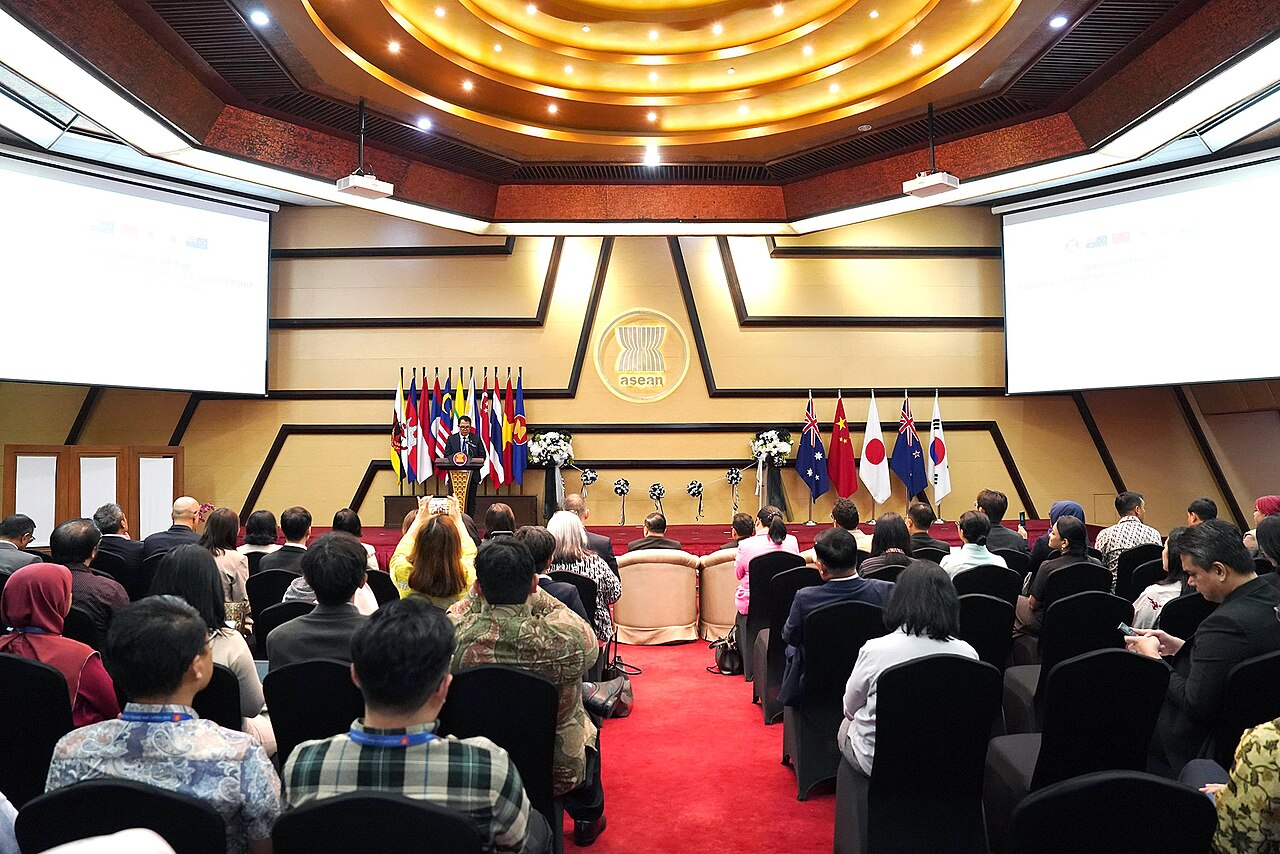
Singapore’s foreign ministry has published a sponsorship call and forecast event schedule for its 2027 ASEAN chairmanship, turning broad policy messaging into a visible logistics model. The records show planning and solicitation, not selected sponsors, approved budgets or final ASEAN decisions.
The World Bank says Sri Lanka became AgriConnect’s first South Asian entrant on 30 October 2026, with $550 million in World Bank Group backing and $115 million from IFAD. The launch expands the initiative into South Asia, but the available records do not yet show signed deals, disbursement or a private first close.
The World Bank Group says the first project under its DRIVE framework is an IFC participation in a private fund targeting US$750 million for South and Southeast Asia. The announcement moves the initiative from concept to named vehicle, but the public record still does not show final commitments, drawdowns, country allocations or safeguard terms.
The EU, CDRI and ESA announced a 48-month, €19 million South Asia disaster-risk programme on 7 October 2026. Official records establish the funding, partners and seven-country scope, but not yet national agreements, procurement, disbursement or operational links to early-warning systems.
The World Bank’s new South Asia forecast points to 6.9% growth in 2026, with remittances, demand and reform carrying the case. The public record retrieved so far supports the headline, but not a full test of its assumptions on AI, climate risk or country-level implementation.
A 29 September UN rights statement placed reported mass civilian casualties from a Kyauktaw market strike into the late-September UN diplomacy on Myanmar. The public record now documents alleged harm and wider risks in Rakhine, but it still stops short of proving command responsibility or any new enforcement step.
The World Bank says Stephen N. Ndegwa took over its Thailand and Myanmar division on 1 September 2026, days before its Board discussed a new Thailand Country Partnership Framework. The published record now shows leadership and strategic priorities, but not yet formal approval, signed financing or named delivery arrangements for Myanmar.
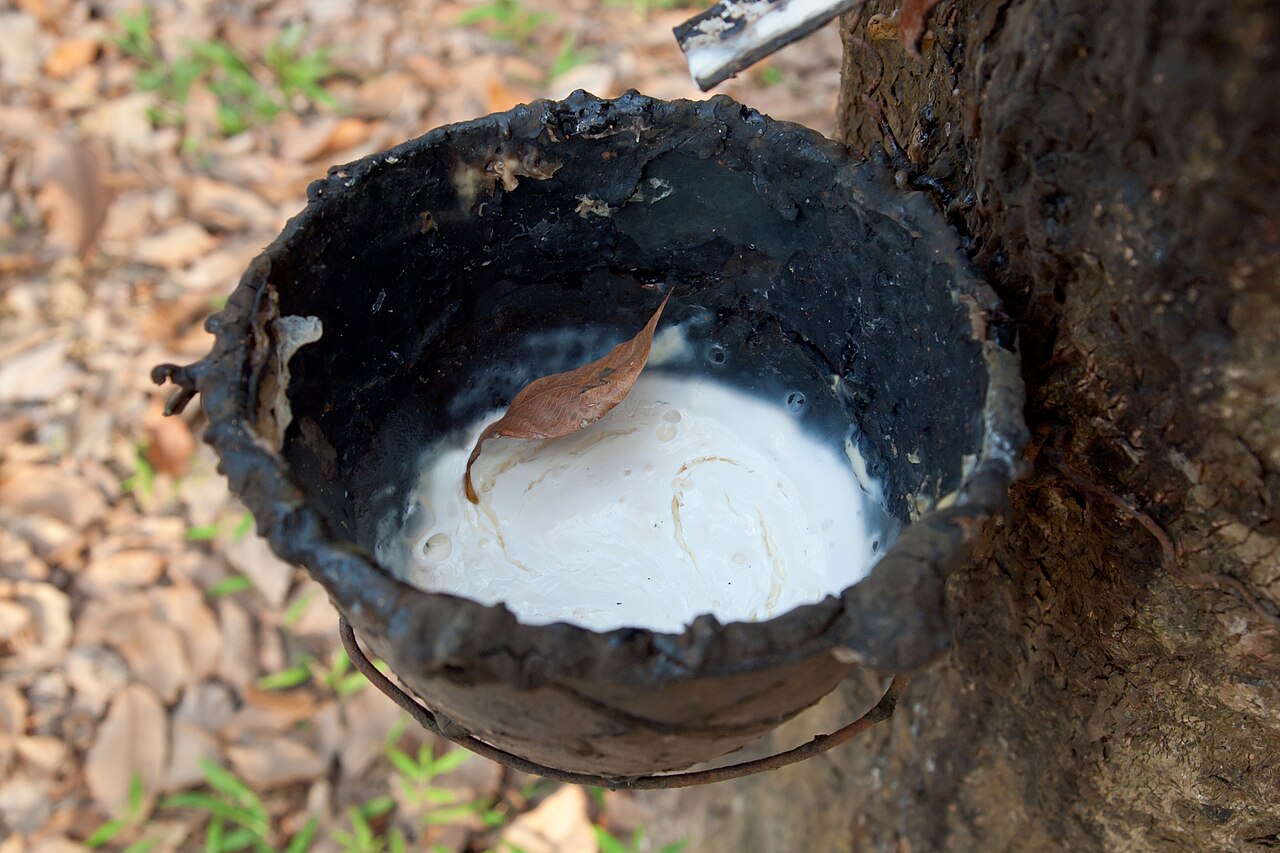
ILO training brought together rubber-sector worker representatives. Follow-up needs to show how concerns enter workplace decisions and how responses are reviewed.
Indonesian green-tourism business accounts suggest promising changes. Resource use, commercial performance and employment each need their own comparison and evidence.
ADB places its up-to-US$6 billion blue-economy initiative inside the earlier US$30 billion ASEAN pledge. Project records will show how the regional ambition is delivered.
ASEAN’s September customs agenda spans document exchange, transit and trade rules. Distinguishing their functions makes practical progress at the border easier to assess.
The region’s digital-economy estimate is a conditional scenario. A cross-border sale offers a practical way to examine the policies and capabilities behind it.
The EU's €150,000 announcement identifies planned support through a pooled fund. Separate operational records are needed to establish transfer, delivery and results.