IAS Gazette Topic Desk Topic

Topic Desk

Pop Culture & Politics

IAS Gazette uses the Pop Culture & Politics desk to track the overlap between identity, entertainment, symbolism, and public power. The goal is to keep the topic coherent for readers who want more than scattered headline exposure.

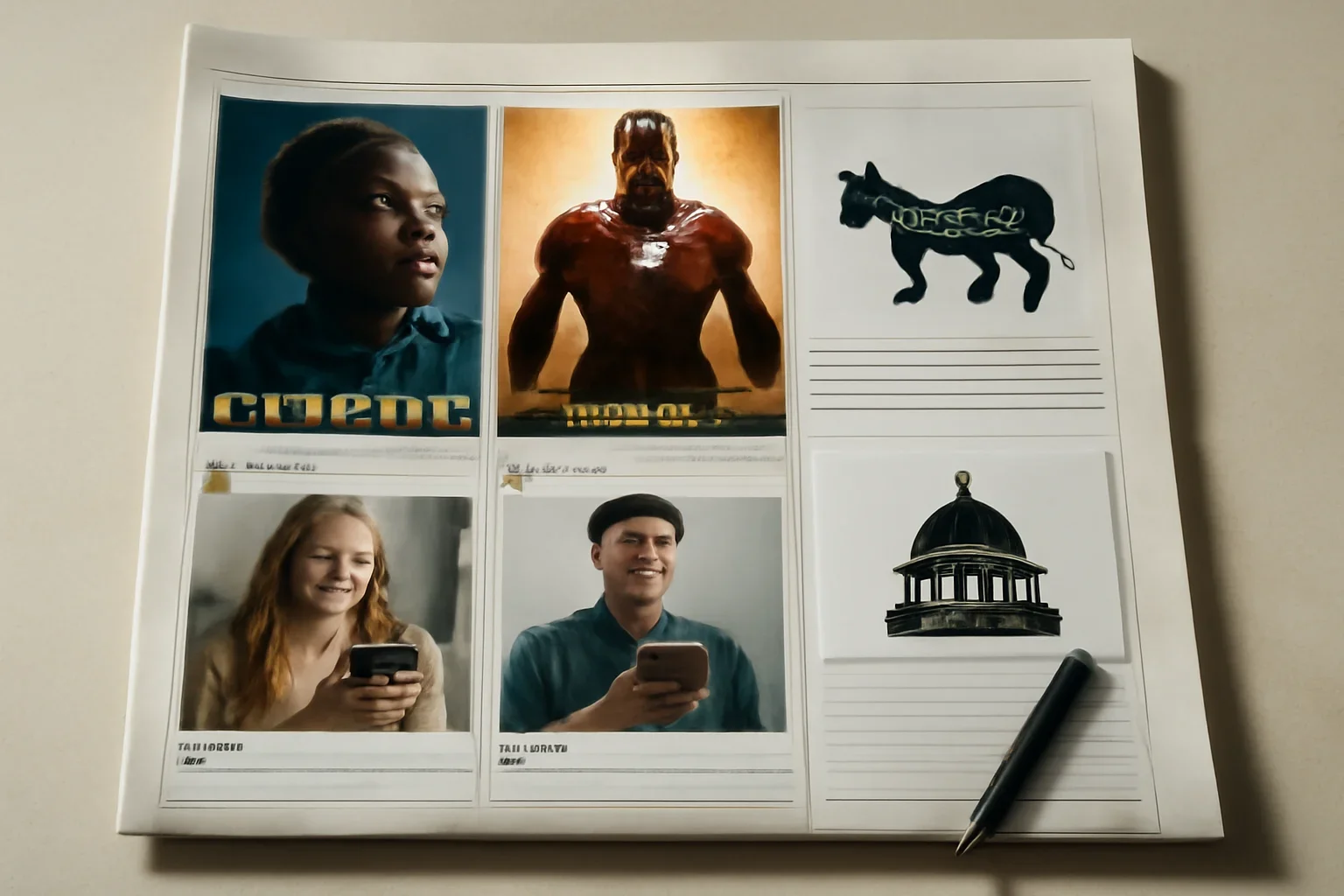
Editorial-style image for Pop Culture & Politics with cinema posters, social feeds, and political notes in an editorial layout
Music, media, and political meaning

Why this desk matters

Pop Culture & Politics coverage at IAS Gazette follows the overlap between identity, entertainment, symbolism, and public power. The aim is to keep readers close to the forces driving the story rather than only the latest reaction around it.

Pop culture and politics influence each other because stories, symbols, and celebrity attention shape what feels normal, urgent, or imaginable in public life.

Supporting visual for Pop Culture & Politics showing cinema posters, social feeds, and political notes in an editorial layout in a working editorial context
A visual note that matches the editorial rhythm of the page.

How the coverage stays useful

Entertainment does not replace policy, but it can widen participation, sharpen conflict, and move political language into everyday conversation at remarkable speed.

This space is especially revealing during international crises, when films, sports, music, and online fandoms become sites of solidarity, contestation, or narrative struggle.

Good international affairs writing slows the reader down just enough to make the next headline easier to interpret.

Where to go after the first read

The best coverage avoids dismissing culture as trivial. It asks how attention moves, who benefits from it, and what kinds of political meaning audiences attach to it.

Keep moving through Pop Culture & Politics and Media & Disinformation when you want a broader reading path.

Stay with the subject long enough to see the pattern

Topic desks reward repeat reading by keeping related arguments, explainers, and developments in one editorial neighbourhood.

A good next step after this page is Media & Disinformation and Why Media Narratives Shape International Politics so the subject stays connected to a wider editorial path.

Closing call-to-action image for Pop Culture & Politics featuring readers, notebooks, and international affairs material