

IAS Gazette Series Series

Series

Weekly Recap

A regular briefing that helps readers reset the week, spot the through-lines, and decide which developments deserve closer attention.

Editorial-style image for Weekly Recap with editorial roundup desk with stacked printouts, notebooks, and highlighted headlines
Weekly current affairs roundup hub

Signal over volume

Weekly recap coverage groups stories by meaning, not just chronology, so the reader can feel the hierarchy of events.

A strong weekly recap does more than repeat events. It groups developments by theme, points out why they matter, and shows readers which storylines are likely to continue into the next cycle.
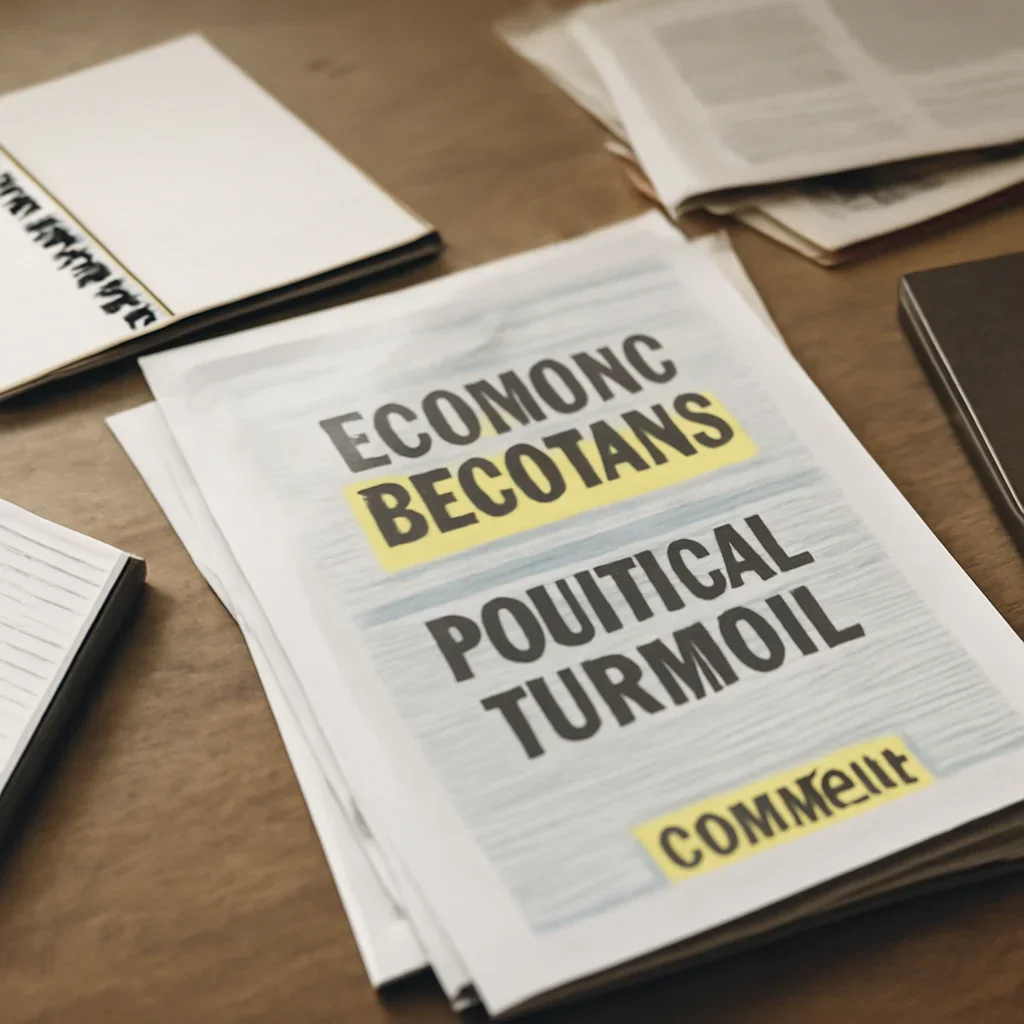
Supporting visual for Weekly Recap showing editorial roundup desk with stacked printouts, notebooks, and highlighted headlines in a working editorial context
A visual note that matches the editorial rhythm of the page.

Better reading habits

A recap turns scattered updates into a manageable routine and helps newer readers build analytical confidence.

The value is rhythm. A recap helps readers avoid the feeling that every headline has equal weight by linking daily events to regional strategy, domestic politics, or longer institutional change.

Good international affairs writing slows the reader down just enough to make the next headline easier to interpret.

Where this series leads

Each edition should make it easy to move from summary into the features, topic hubs, and archive pages that offer more depth.

Continue through Newsletter, How to Read a Weekly News Recap Like an Analyst, and Archives.

Follow the series, not only the single post

Recurring formats become more rewarding when each entry builds on the one before it and points clearly toward the next question.

A good next step after this page is Newsletter and How to Read a Weekly News Recap Like an Analyst so the subject stays connected to a wider editorial path.

Closing call-to-action image for Weekly Recap featuring readers, notebooks, and international affairs material