
Why this desk matters
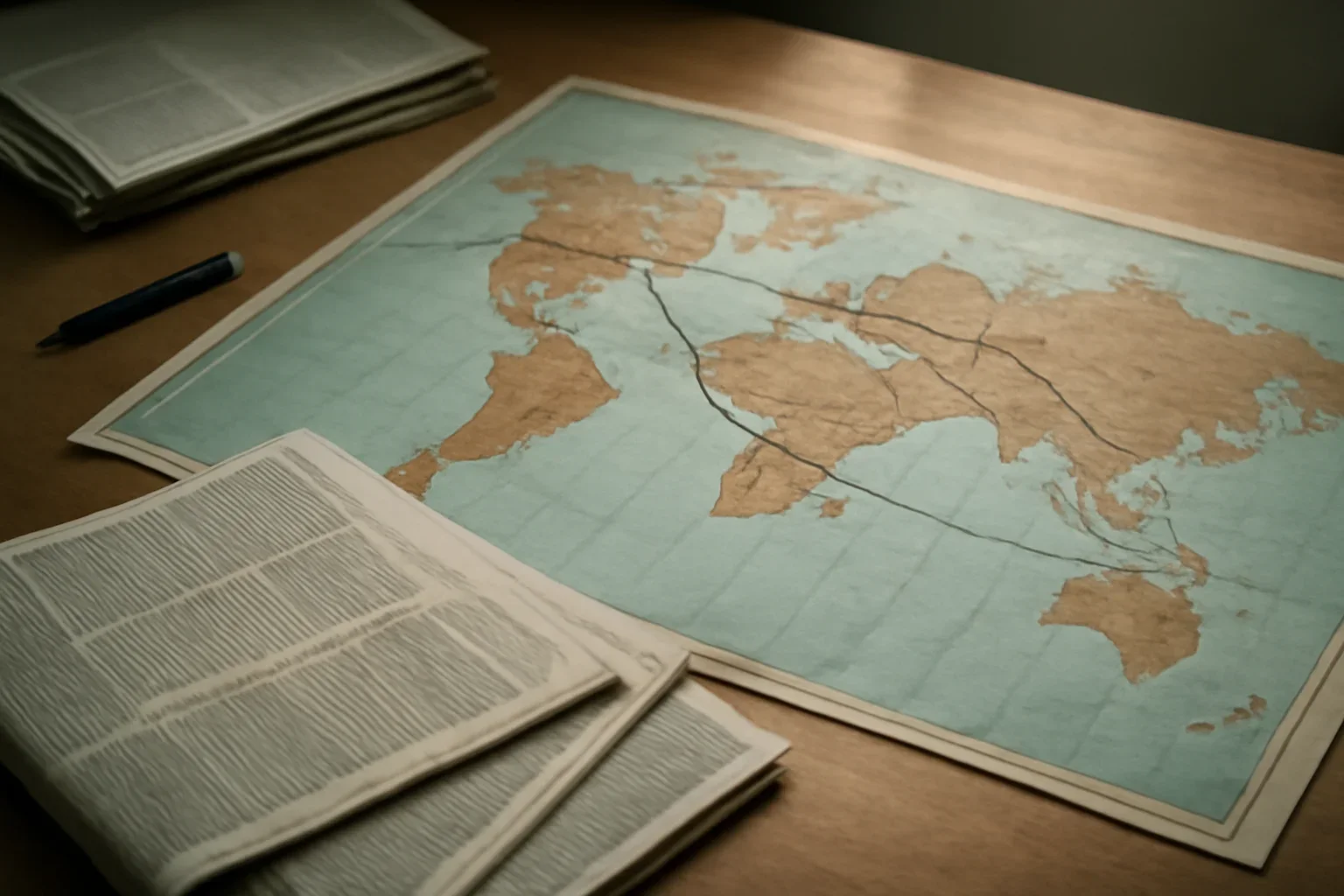
Geopolitics coverage at IAS Gazette follows power in motion across borders, trade routes, resources, technology, and geography. The aim is to keep readers close to the forces driving the story rather than only the latest reaction around it.
Geopolitics starts with location, but it never stays there. Coastlines, chokepoints, energy routes, industrial clusters, and demographic pressure all shape what states believe they can defend or influence.

How the coverage stays useful
Good analysis avoids treating countries like chess pieces. Leaders still respond to domestic politics, economic constraints, and public expectations, which means geography sets pressure but does not dictate a single outcome.
Students get stronger at geopolitics when they connect maps with institutions, markets, and media narratives instead of reducing every crisis to great-power rivalry.
Where to go after the first read
A disciplined reading routine usually pairs regional coverage, official statements, and historical context. That habit makes fast-moving headlines easier to interpret without losing the structural story underneath.
Keep moving through Geopolitics and Foreign Policy Analysis when you want a broader reading path.
