
IAS Gazette Case Study Community

Case Study

Alumni Writer Journeys

Alumni writer journeys show how sustained editorial practice can turn curiosity, discipline, and repeated publication into a stronger public body of work.

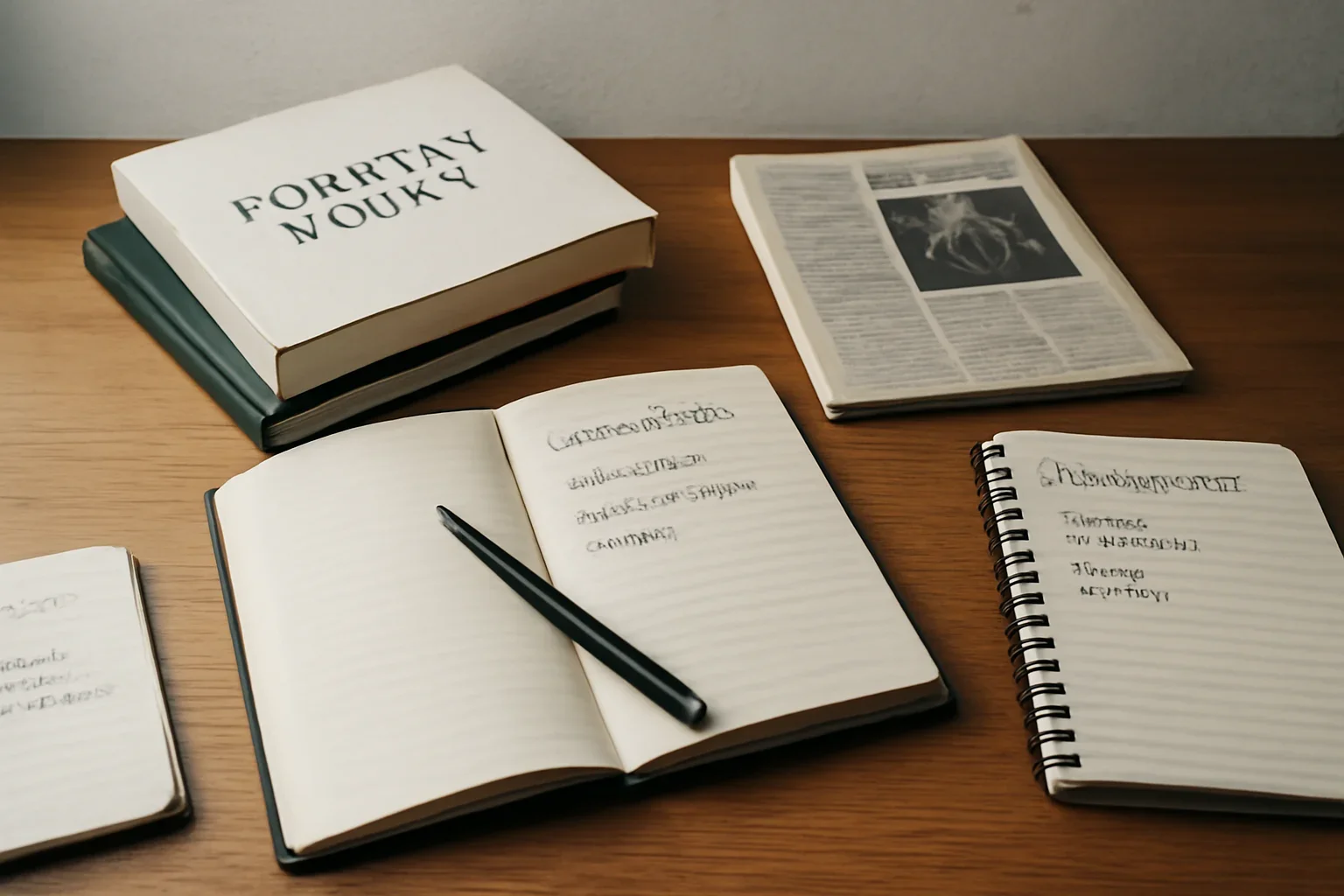
Editorial-style image for Alumni Writer Journeys with student career planning desk with notebooks, interview notes, and foreign policy books
How contributors used IAS Gazette work in their careers

What the journey tends to look like

Alumni writer journeys show how sustained editorial practice can turn curiosity, discipline, and repeated publication into a stronger public body of work.

The value usually appears in sequence: clearer expectations, stronger work, more visible output, and a better sense of what the next opportunity should be.

Supporting visual for Alumni Writer Journeys showing student career planning desk with notebooks, interview notes, and foreign policy books in a working editorial context
A visual note that matches the editorial rhythm of the page.

Why the process matters

Outcomes feel more credible when they are tied to editorial practice rather than vague success language. Structure, repetition, and fit are often what change the quality of the work.

That is especially true in student-facing publishing, where growth often happens through accumulation rather than one breakthrough moment.

Good international affairs writing slows the reader down just enough to make the next headline easier to interpret.

How it connects back to IAS Gazette

Open Case Studies, Write for Us, and Partners to see how the same principles carry across the wider publication.

See what a stronger editorial pathway can produce

Use these stories as a practical way to judge fit before moving into a contributor or partnership conversation.

A good next step after this page is Case Studies and Write for Us so the subject stays connected to a wider editorial path.

Closing call-to-action image for Alumni Writer Journeys featuring readers, notebooks, and international affairs material