
IAS Gazette Series Series

Series

Features Series

Long-form reporting, arguments with room to breathe, and essays that stay with the underlying forces shaping world affairs.

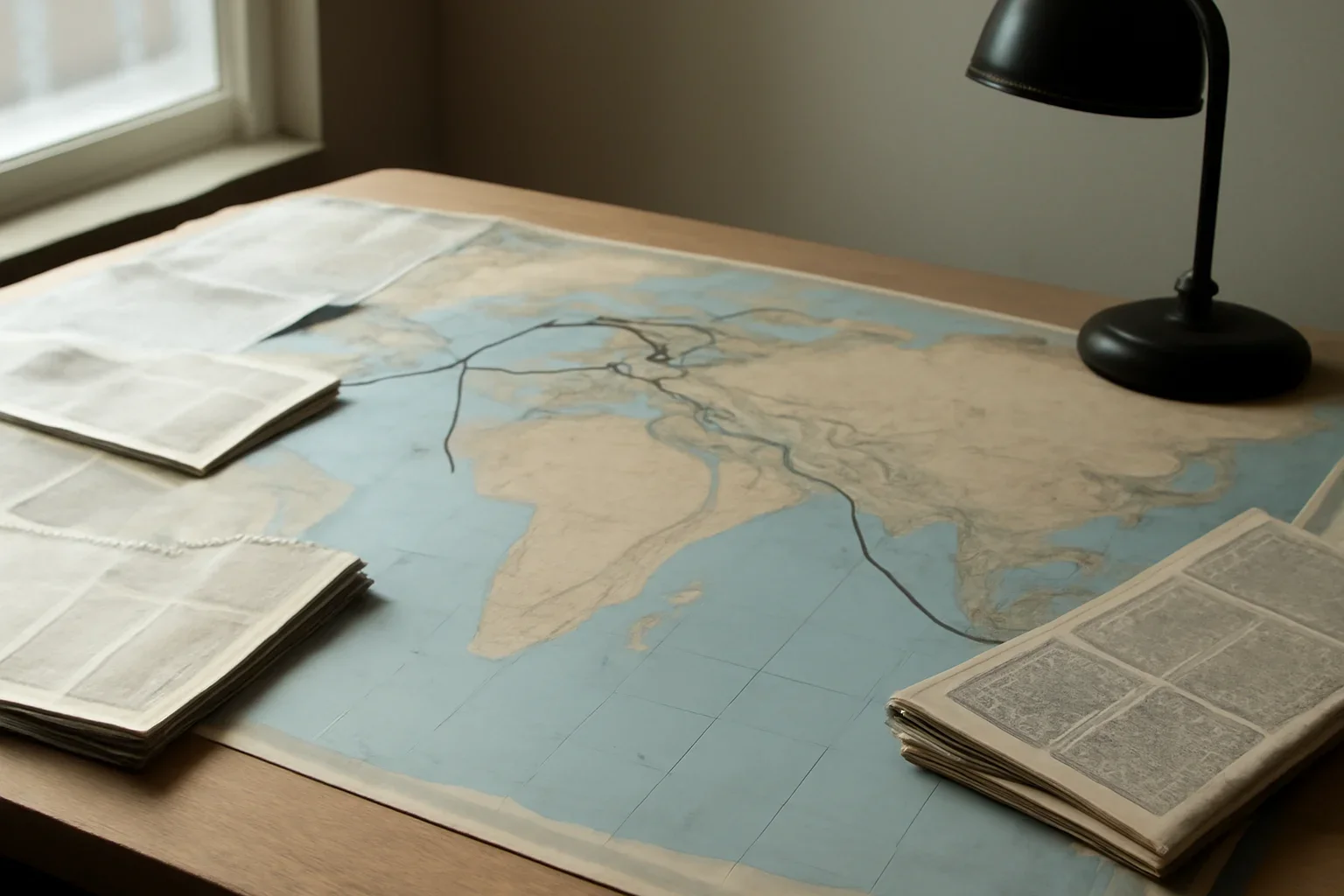
Editorial-style image for Features Series with editorial desk with a world map, newspapers, and route markings
Landing page for feature essays

Long-form depth

Feature essays take a bigger question and follow it past the first headline so readers can understand motive, structure, and consequence together.

Geopolitics starts with location, but it never stays there. Coastlines, chokepoints, energy routes, industrial clusters, and demographic pressure all shape what states believe they can defend or influence.

Supporting visual for Features Series showing editorial desk with a world map, newspapers, and route markings in a working editorial context
A visual note that matches the editorial rhythm of the page.

Clear argument

Every strong feature needs a claim. The format rewards writers who can move beyond summary and show why an issue should be understood in a particular way.

Good analysis avoids treating countries like chess pieces. Leaders still respond to domestic politics, economic constraints, and public expectations, which means geography sets pressure but does not dictate a single outcome.

Good international affairs writing slows the reader down just enough to make the next headline easier to interpret.

Where this series leads

The desk works best when regional reporting, historical context, and original commentary sit next to one another without collapsing into one ideological frame.

Continue through Features, Geopolitics, and Blog.

Follow the series, not only the single post

Recurring formats become more rewarding when each entry builds on the one before it and points clearly toward the next question.

A good next step after this page is Features and Geopolitics so the subject stays connected to a wider editorial path.

Closing call-to-action image for Features Series featuring readers, notebooks, and international affairs material