
IAS Gazette Topic Desk Topic

Topic Desk

Media & Disinformation

IAS Gazette uses the Media & Disinformation desk to track how framing, repetition, and source selection shape public understanding of world events. The goal is to keep the topic coherent for readers who want more than scattered headline exposure.

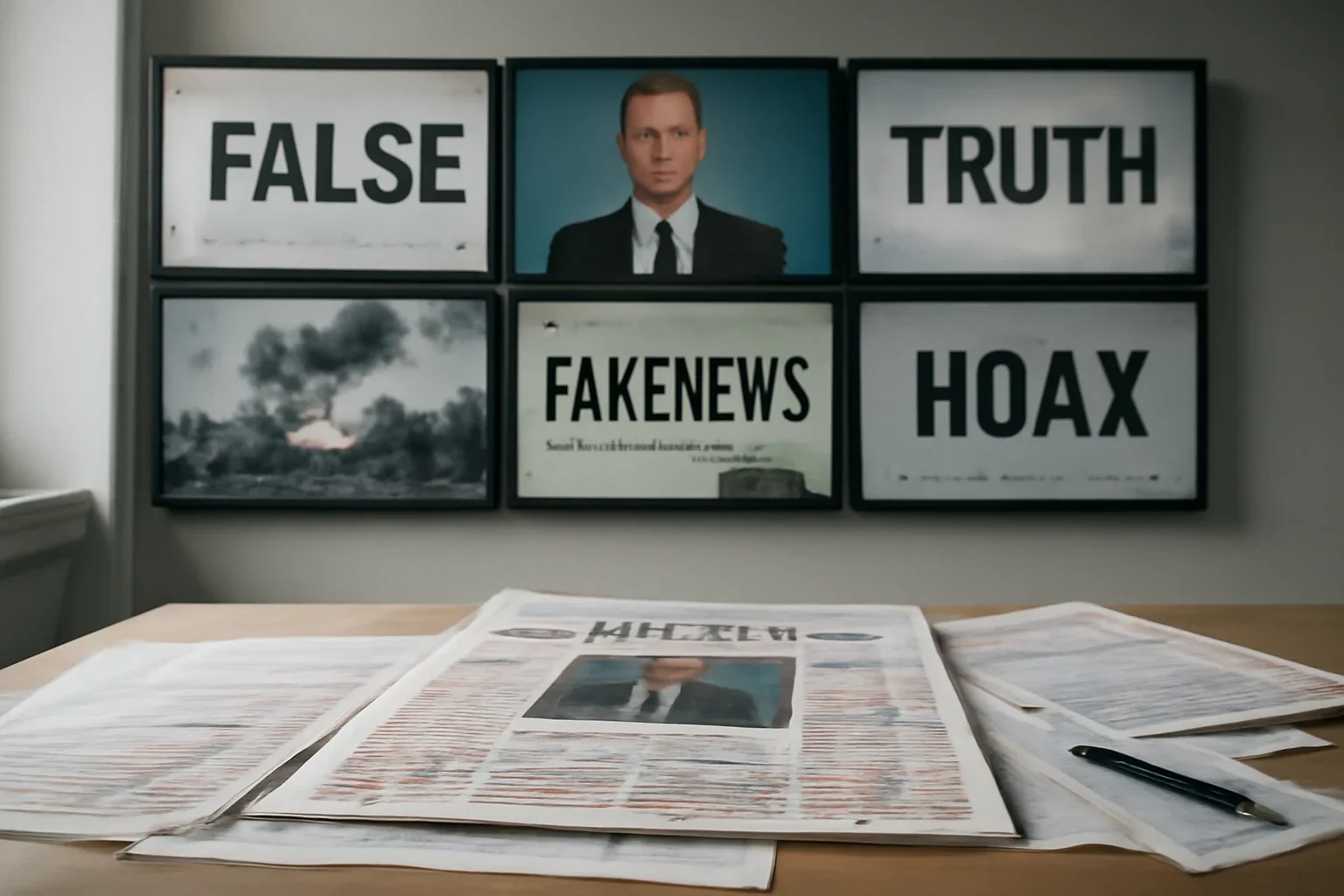
Editorial-style image for Media & Disinformation with newsroom monitor wall with contrasting headlines and marked-up print pages
Narratives, information warfare, and propaganda

Why this desk matters

Media & Disinformation coverage at IAS Gazette follows how framing, repetition, and source selection shape public understanding of world events. The aim is to keep readers close to the forces driving the story rather than only the latest reaction around it.

Media narratives matter because people rarely encounter international politics raw. They meet it through headlines, clips, official statements, and social feeds that organise complexity into a story.

Supporting visual for Media & Disinformation showing newsroom monitor wall with contrasting headlines and marked-up print pages in a working editorial context
A visual note that matches the editorial rhythm of the page.

How the coverage stays useful

That story can clarify or distort. Emphasis on spectacle, conflict, or moral certainty may boost attention while narrowing the range of facts that audiences use to interpret a crisis.

Better reading habits start with comparison. Looking across outlets, checking what is omitted, and watching how the same event is described in different regions reveals the choices built into coverage.

Good international affairs writing slows the reader down just enough to make the next headline easier to interpret.

Where to go after the first read

Narrative awareness does not mean cynicism. It means recognising that framing is powerful, and that readers gain an advantage when they treat coverage as interpretation as well as information.

Keep moving through Media & Disinformation and What Is Disinformation in Politics? when you want a broader reading path.

Stay with the subject long enough to see the pattern

Topic desks reward repeat reading by keeping related arguments, explainers, and developments in one editorial neighbourhood.

A good next step after this page is What Is Disinformation in Politics? and Pop Culture & Politics so the subject stays connected to a wider editorial path.

Closing call-to-action image for Media & Disinformation featuring readers, notebooks, and international affairs material