
IAS Gazette Topic Desk Topic

Topic Desk

Global Economy

IAS Gazette uses the Global Economy desk to track the cross-border movement of capital, goods, labour, and policy pressure. The goal is to keep the topic coherent for readers who want more than scattered headline exposure.

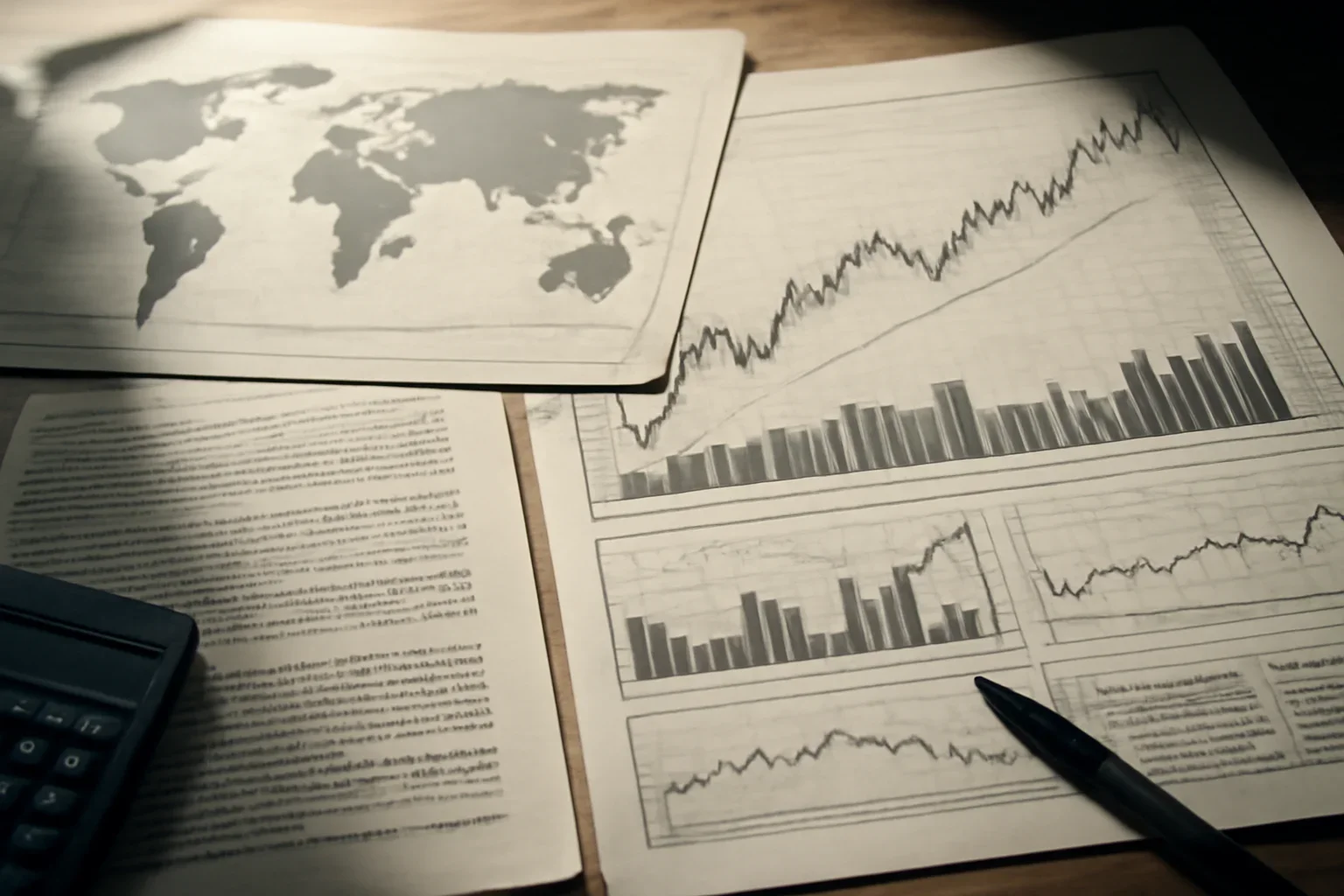
Editorial-style image for Global Economy with financial desk with market charts, trade maps, and policy notes
Macro trends, development, and political economy

Why this desk matters

Global Economy coverage at IAS Gazette follows the cross-border movement of capital, goods, labour, and policy pressure. The aim is to keep readers close to the forces driving the story rather than only the latest reaction around it.

The global economy is more than a backdrop to politics. Debt, inflation, industrial competition, shipping, energy prices, and investment rules often define what governments can promise at home and abroad.

Supporting visual for Global Economy showing financial desk with market charts, trade maps, and policy notes in a working editorial context
A visual note that matches the editorial rhythm of the page.

How the coverage stays useful

Economic shocks travel fast because systems are interconnected, but the consequences are uneven. Some states absorb pressure, while others face immediate legitimacy or balance-of-payments strain.

Readers should resist clean separation between economics and strategy. Trade, sanctions, subsidies, and currency risk are now part of foreign policy itself.

Good international affairs writing slows the reader down just enough to make the next headline easier to interpret.

Where to go after the first read

The clearest analysis pairs macro trends with political choice. Markets matter, yet governments still decide how costs and opportunities are distributed.

Keep moving through Global Economy and Trade & Industrial Policy when you want a broader reading path.
Stay with the subject long enough to see the pattern

Topic desks reward repeat reading by keeping related arguments, explainers, and developments in one editorial neighbourhood.

A good next step after this page is Trade & Industrial Policy and Supply Chains and Geopolitics Explained so the subject stays connected to a wider editorial path.

Closing call-to-action image for Global Economy featuring readers, notebooks, and international affairs material