
The argument at the centre
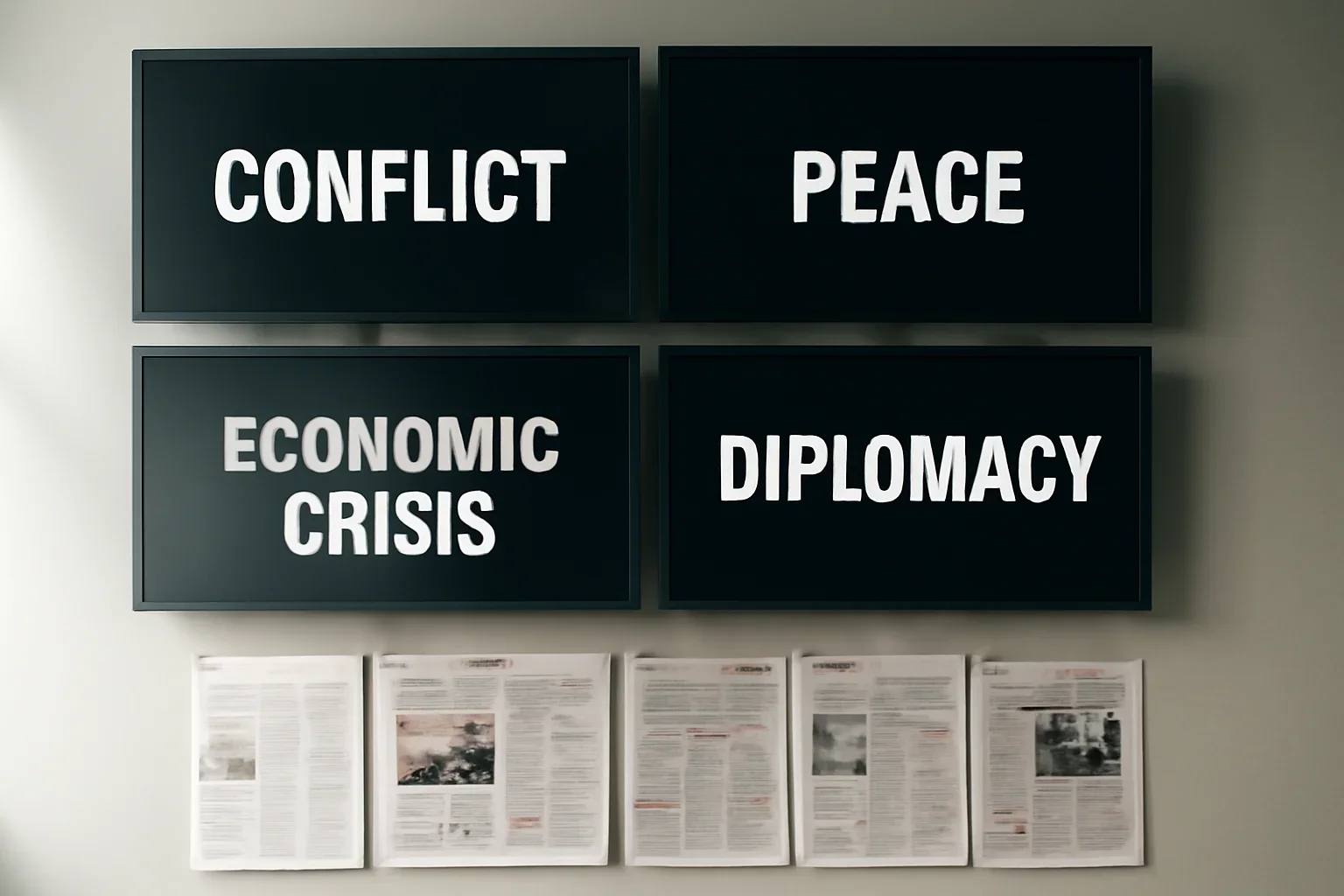
Media narratives matter because people rarely encounter international politics raw. They meet it through headlines, clips, official statements, and social feeds that organise complexity into a story.
A useful argument does more than announce importance. It shows what changes when readers treat the issue seriously instead of leaving it as background context.

Why the issue persists
That story can clarify or distort. Emphasis on spectacle, conflict, or moral certainty may boost attention while narrowing the range of facts that audiences use to interpret a crisis.
Better reading habits start with comparison. Looking across outlets, checking what is omitted, and watching how the same event is described in different regions reveals the choices built into coverage.
What better judgment looks like
The strongest reading habit keeps emotion, evidence, and sequence in balance. That balance matters most when a subject is politically loaded or socially familiar enough to feel obvious.
Narrative awareness does not mean cynicism. It means recognising that framing is powerful, and that readers gain an advantage when they treat coverage as interpretation as well as information.
Keep the question open
The issue does not end with one article. Continue through Media & Disinformation and What Is Disinformation in Politics? to test the argument from more than one angle.