

The idea behind the term
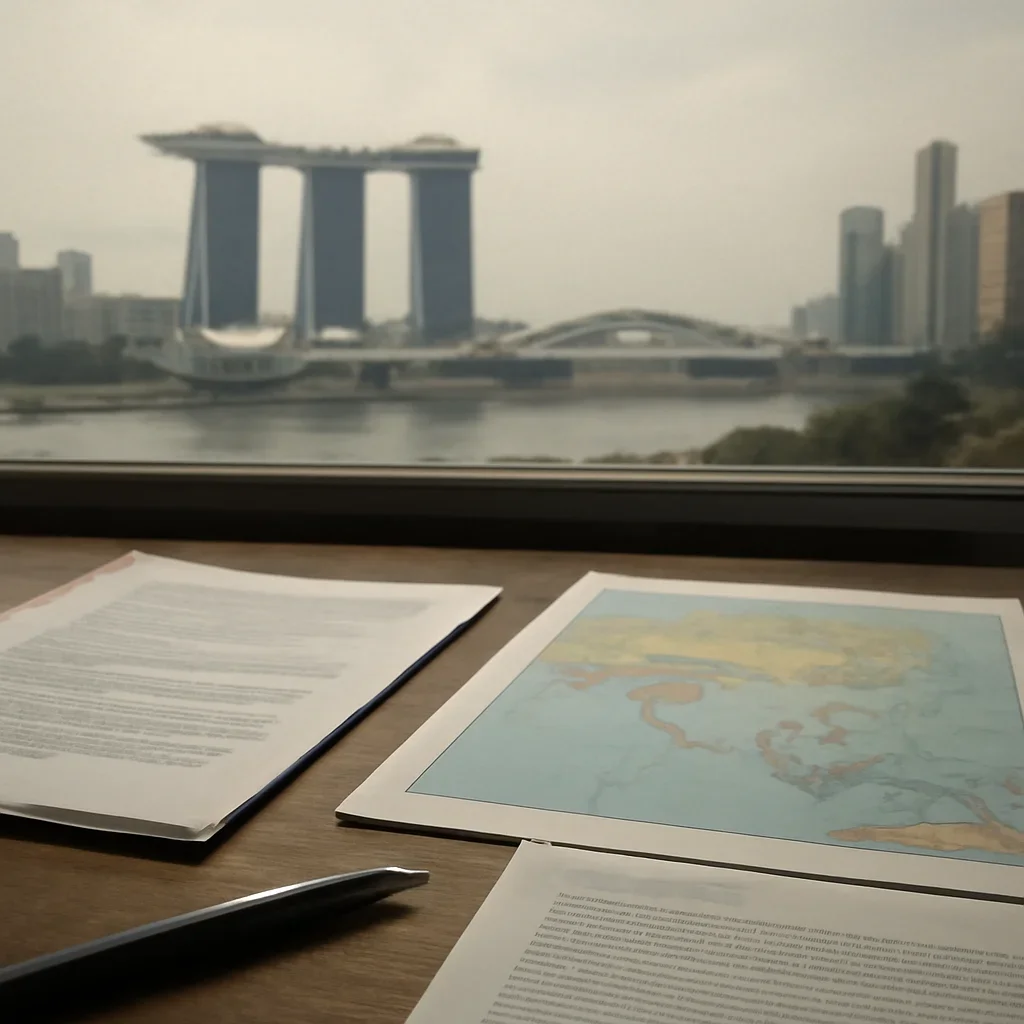
Singapore's foreign policy is shaped by exposure as much as ambition. An open economy, dense regional ties, and dependence on stable sea lanes create a constant need for predictability and room to manoeuvre.
Singapore's balancing strategy and regional priorities becomes easier to follow once the label is connected to the real choices governments, institutions, or publics are making around it.
Why it matters in practice
That usually translates into a careful mix of pragmatism and principle. The state values strong institutions, international law, and practical relationships with major powers without turning every issue into an ideological test.
The debate gets harder when regional competition intensifies. Maintaining credibility with different partners requires message discipline, diversified links, and a clear sense of where core interests begin and end.
Where readers often oversimplify it
The easiest mistake is to treat the term like a fixed answer instead of a live debate. Once the label becomes fashionable, it often starts carrying more certainty than the underlying evidence can support.
The debate gets harder when regional competition intensifies. Maintaining credibility with different partners requires message discipline, diversified links, and a clear sense of where core interests begin and end.
How to keep reading with more discipline
Readers who follow Singapore well watch speeches, trade policy, defence partnerships, and ASEAN diplomacy together. One signal rarely tells the full story on its own.
For a wider reading path, pair this piece with Singapore Foreign Policy and ASEAN.