
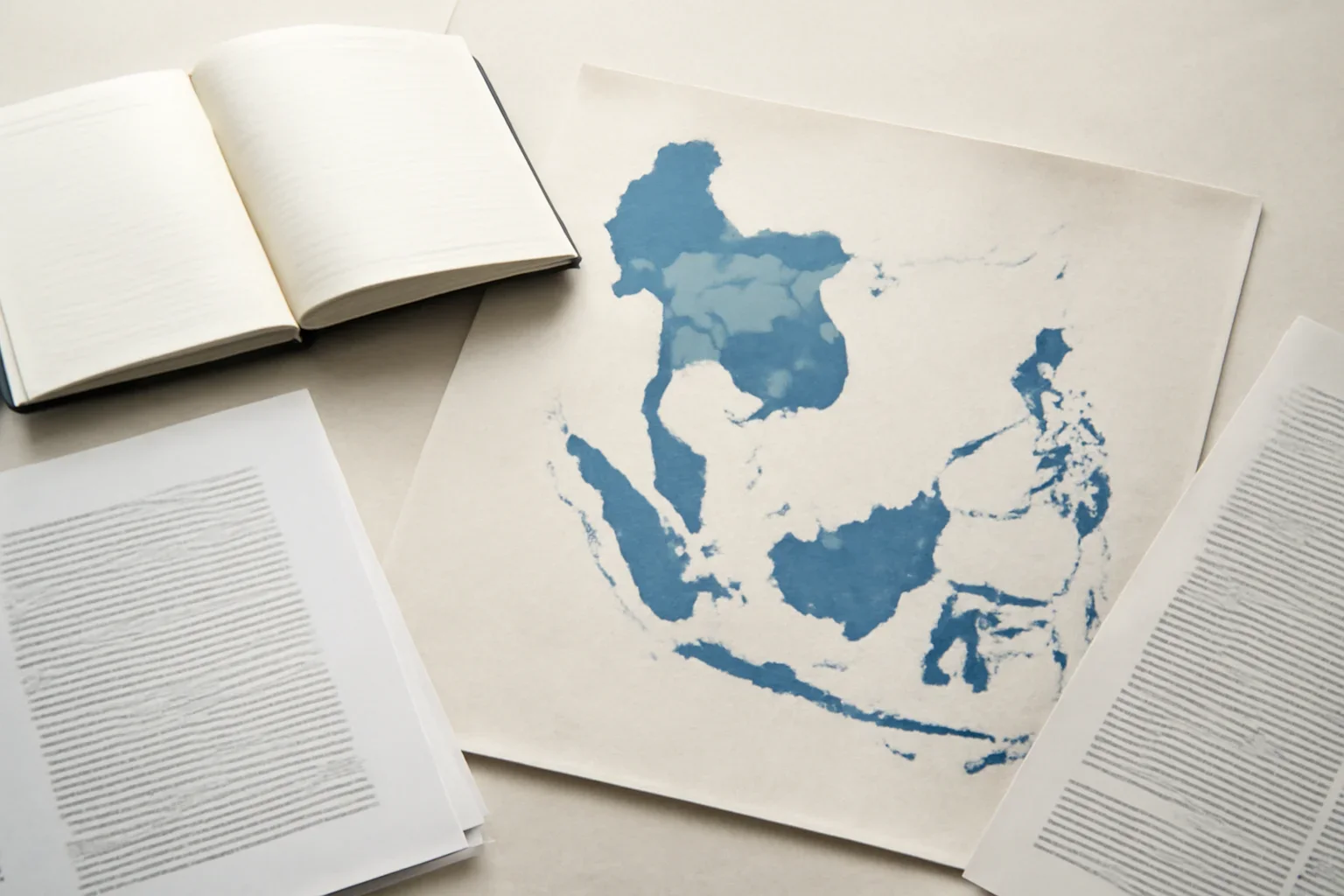
The idea behind the term
ASEAN matters because it gives Southeast Asian states a platform that is larger than any single member. It keeps diplomatic channels open, shapes regional agendas, and gives smaller countries more room to operate.
Asean institutions and regional relevance becomes easier to follow once the label is connected to the real choices governments, institutions, or publics are making around it.

Why it matters in practice
Its slow pace frustrates critics, but consensus is also part of the point. A forum that includes different political systems, threat perceptions, and economic models survives by building habits of consultation before it promises dramatic action.
The institution is most useful when readers understand what it can and cannot do. ASEAN is strong at convening, signalling, and agenda-setting, yet weaker when members expect fast enforcement or unified hard-power responses.
Where readers often oversimplify it
The easiest mistake is to treat the term like a fixed answer instead of a live debate. Once the label becomes fashionable, it often starts carrying more certainty than the underlying evidence can support.
The institution is most useful when readers understand what it can and cannot do. ASEAN is strong at convening, signalling, and agenda-setting, yet weaker when members expect fast enforcement or unified hard-power responses.
How to keep reading with more discipline
Following ASEAN well means watching summits, ministerial language, regional trade policy, and the behaviour of member states between meetings. The real story often sits in that gap.
For a wider reading path, pair this piece with ASEAN and Asia-Pacific.
